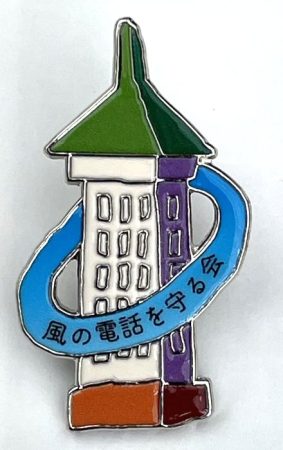
We have now completed the shipment of pin badges to our members in Japan, and we will continue to send them to new members as they join.
Regarding our members overseas, we initially placed the pin badges in envelopes, addressed them, and took them to the post office, where they were accepted. However, they were later returned to us because we were informed that postal regulations had changed and that they could no longer be sent in this manner.
We were also told that, for international mail, a written message and an item must be sent separately, and that sending them together would cost approximately 3,500 yen per package. We are therefore considering sending our messages by email and mailing the pin badges separately as small parcels.
We sincerely apologize to our overseas members for the delay and kindly ask for a little more time while we work out the best way to send the badges to you.
Meanwhile, we have received many heartfelt messages from members in Japan who have already received their pin badges.
“Thank you very much for the beautiful pin badge. I will wear it proudly as a member of the Society for the Preservation of the Wind Phone, and I hope that people who share this spirit will spread throughout the world.”
“When I wear the badge on my chest, I feel a sense of comfort, as though I am surrounded by a gentle breeze of kindness. I hope this circle of compassion will spread across the world.”
We have also received comments such as:
“The world continues to be troubled by war and conflict. In such a world, I feel great hope in the fact that a group like this has been created around the shared desire to ‘be of help to someone.’”
These warm and encouraging messages give us great strength and inspire us to continue our work.