As scheduled, I was admitted to Iwate Medical University Hospital on February 16. During the nine days leading up to the operation, I underwent various tests and preoperative rehabilitation before finally going into surgery.
Because I was under both epidural and general anesthesia, I have no memory of what happened during the operation. When I regained consciousness, I found that I had eight or nine tubes attached to my body and was unable to move. Even so, I was fortunate that my arms and legs were not restrained; I later heard that in some cases patients are restrained to prevent them from pulling out the tubes themselves.
Afterward, my family told me that the cut surface of the lung after resection looked “as if it had been stapled—many times.” I wish I could have seen it myself, but of course that was impossible under general anesthesia.
My postoperative course was smooth. After spending the standard two nights and three days in the intensive care unit, I was transferred to a general ward. The following day (the 27th), all the tubes were removed, and on the 28th, the doctor told me that I could be discharged the next day. I felt no pain or discomfort at that time and even thought to myself, “I must be made of iron,” as I left the hospital.
However, starting the very next day, I began to feel pain—whether from the wound or my lung—and even a single cough became quite painful. Although I took the prescribed medication, I could not sleep at night and have been spending my days enduring discomfort and being unable to do much of anything. Looking back, I realize that the comfort I felt in the hospital was largely due to the intravenous drip I had in my arm. Whether I like it or not, it seems I will need to take things slowly for a while.
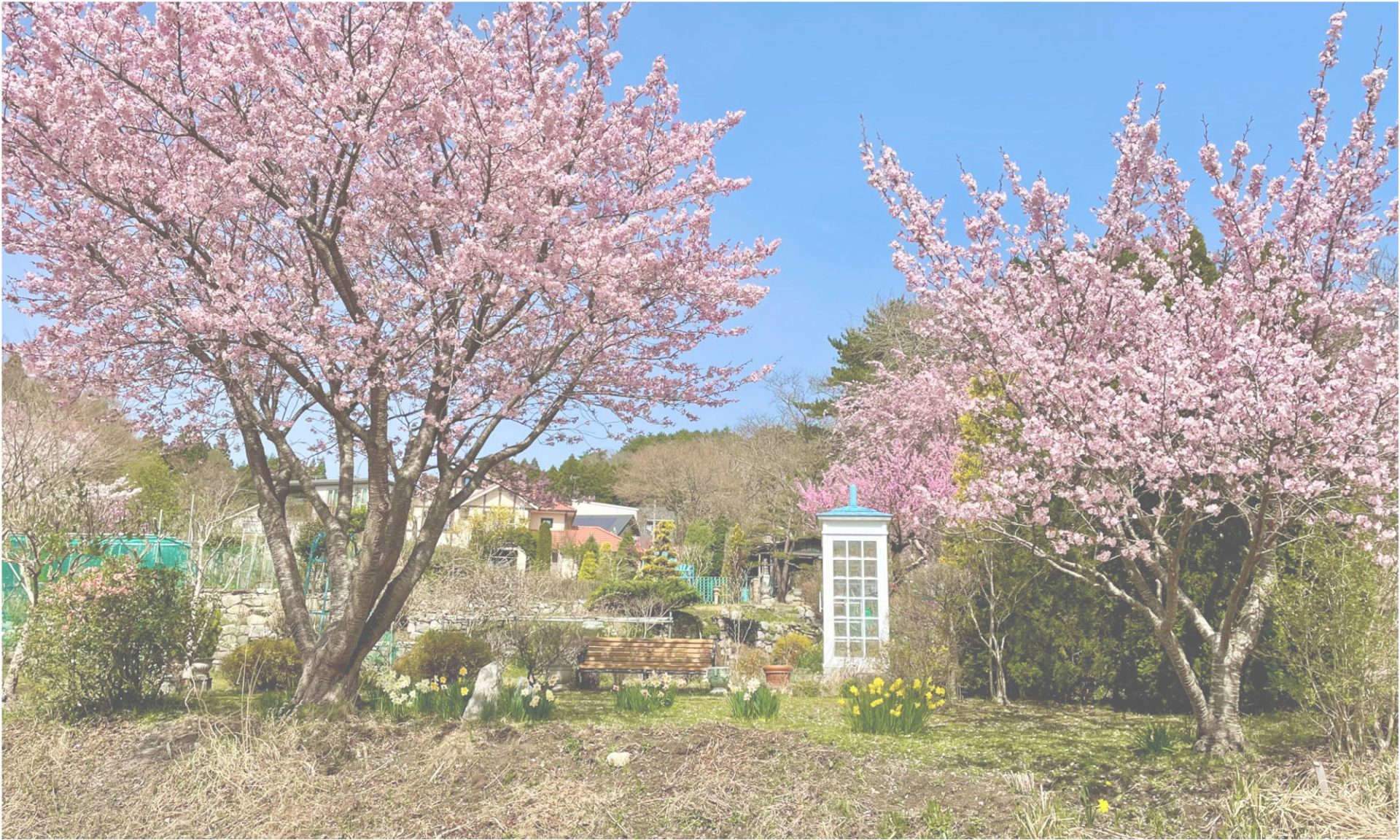
In the grief care activities of the “Wind Phone,” we often say that each person has an innate ability to heal themselves, and that it is important to recognize and trust this ability and live one’s life fully. Even in surgery, once a certain level of medical treatment is completed, recovery ultimately depends on the body’s natural healing power through the immune system. Through this experience, I have come to understand that such recovery is inevitably accompanied by a certain amount of pain and suffering.
In cases of grief as well, there must be a pain and suffering that only the person experiencing it can truly understand. And perhaps the only thing that can ease that pain is the kindness of those around them.
Information about the “Association to Protect the Wind Phone” is available on our website. We would greatly appreciate your support.