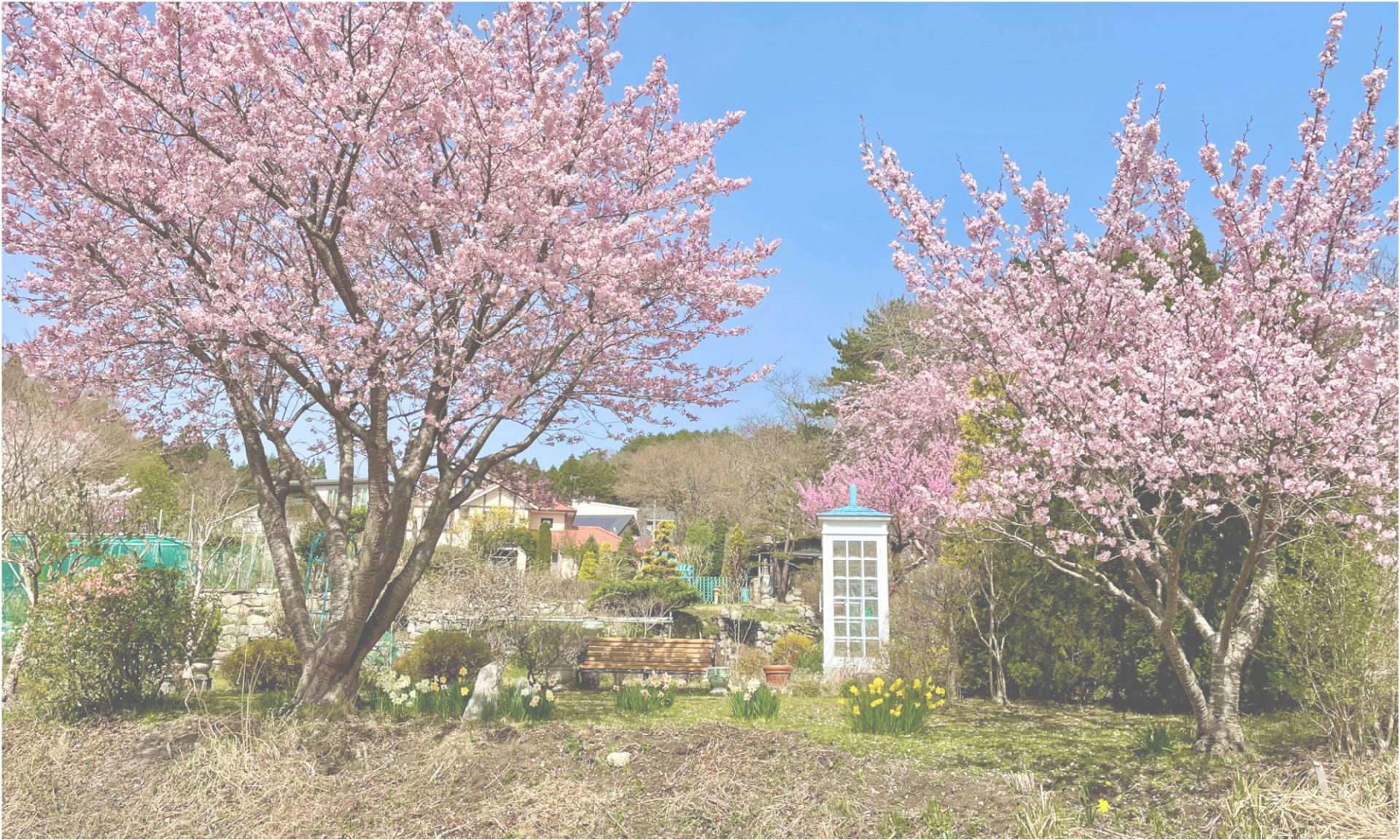
Wind Phones have spread around the world, with more than 600 locations by the end of August. As their numbers grow, attention naturally turns to the quality of the experience they offer.
Most Wind Phones are set up by people who have experienced loss themselves. “I want to see the person I lost again. I want to talk to them. I want to tell them all the things I never quite managed to say.” It is this longing to reconnect that leads them to create a Wind Phone. When it begins with such a personal wish, it is understandable that the person setting it up may not have felt a need to consider how others might feel there.
Yet in each of these communities, there are surely many people who are also grieving and looking for a place where their grief can be held. I hope Wind Phones can become places that make room for their feelings, too. What matters is how many people a single Wind Phone can welcome in their grief and how much comfort and healing it can offer them.
People respond to loss in different ways, and what feels healing varies from person to person. We can find comfort through all five senses: sight, hearing, smell, taste, and touch. A sensory experience can leave us thinking, “Ah, that was soothing.” Yet what matters most is what we can feel in our hearts.
That is one of the Wind Phone’s most distinctive qualities. We may be unable to see or hear the person we are speaking to, yet we can still feel their presence in our hearts.
If we want a Wind Phone to be a place where others can bring their grief as well, we need to care for its surroundings in ways that speak to the senses. The beauty of nature can be healing. Even something as simple as mowing the grass can bring a little pleasure when we see how carefully it has been done. If we want the Wind Phone to endure and welcome many visitors over the years, we need to tend its surroundings with the care and imagination we would bring to creating a work of art.
A quiet setting is essential if visitors are to connect with what they feel in their hearts. People carrying grief may shut themselves away, thinking, “I don’t want to see anyone. I don’t want to talk to anyone.” They may feel isolated and find it difficult to take any initiative. We need to recognize what it has taken for someone in that situation to open the door of their heart a little and decide, “I’ll go to the Wind Phone.” The booth needs to be an enclosed space that protects their privacy and lets them express their feelings freely and fully, without interruption.
The booth itself is a place of healing and prayer, so its colors should harmonize with the natural surroundings.
Those who look after the booth should also have some knowledge of grief support, since visitors may turn to them for guidance.
I know this is a great deal to ask. If, beyond that first moment of emotion, you feel a lasting desire to do something for someone else, I ask you to bring this level of care to your Wind Phone. That is how the Wind Phone can have a future.